

trading strategy with 1 to 2 risk reward

The nomenclature in the commercial enterprise world can be quite perplexing, particularly when IT comes to money matters, but understanding the many stringent rules associated with finances is critical to a company's survival and success. Ideally, a business thrives, and owners can focus on Torah related to financial reporting, stock offerings and money direction, but it's every bit important to follow the correct legal rules and procedures when a business is struggling financially.
If a company's financial difficulties progress relevant of insolvency — a state that occurs when the troupe nates no longer pay its debts — very specific rules mustiness be followed to assure that insolvent trading doesn't occur. To serve you better understand the rules and repercussions, we've put together this prompt guide to explain insolvent trading claims and maternal topics like extermination and failure.
In layperson's terms, you can think of insolvency as the set off for bankruptcy. It's a sign of grievous economic suffering that comes in two forms: hard currency flow insolvency and balance sheet insolvency. Cash in flow insolvency occurs when debtors don't have the money to make payments on financial obligations when they'Ra due. In some cases, it could exist a interim plac that is corrected as soon as money comes into the keep company from sales, loans or other sources.

Libra the Balance sheet insolvency is more severe and occurs when the company's debts are greater than its assets. This type of insolvency is often the tipping signal that pushes a caller over the edge into bankruptcy, either in the strain of debt restructuring surgery total liquidation of assets. Due to the differences in types, a business can be insolvent without being smash if it bottom correct the cash flow problem. However, it crapper't be bankrupt without first existence insolvent.
Insolvent Trading Claims: A Brief Definition
For businesses or so the world, putt shareholders first is equality for the course during normal business trading operations. However, once a company becomes bankrupt, the focus on must legally shift to taking care of creditors above everyone other. Continued daily business operations that could potentially incur additional debt when a business already can't pay its existing debts leaves company directors vulnerable to bankrupt trading claims. If these claims are deemed legal, the directors are subject to civil penalties, including being held personally causative debts incurred during times of insolvency.

In Europe, insolvency laws are similar to U.S. failure laws, except they have traditionally centralized to a lesser extent on restructuring insolvent businesses to give them a chance to become profitable again. In other words, reorganization failure — Chapter 11 in the U.S. — is untold little common in Europe, although the Torah vary from country to country. Experts believe that reform is unavoidable and will give businesses a better chance of recovering while restrictive creditors' losses.
World Health Organization Makes Insolvent Trading Claims?
When a company becomes insolvent, a liquidator is appointed to protect the interests of the company's creditors and do in assets to pay debts. When liquidators are notified of insolvent trading, they are duty-bound to investigate. They often initiate insolvent trading claims themselves, just creditors can also bring down action regarding their debts. The claim historic period generally extends for a period of several years, starting from the onset of extermination. Unless a company's directors had reasonable grounds to believe the company was resolution when they conducted business, creditors could pursue aggregation action to collect debts from the directors in person.

Extermination Explained
In European markets and U.S. bankruptcies the like Chapter 7, insolvency triggers the decisiveness to end a business and liquidate the business' assets, either by distributing its assets to various creditors or past marketing the assets and distributing the proceeds to the individual creditors. Formerly the process is full-dress, the business no longer exists.
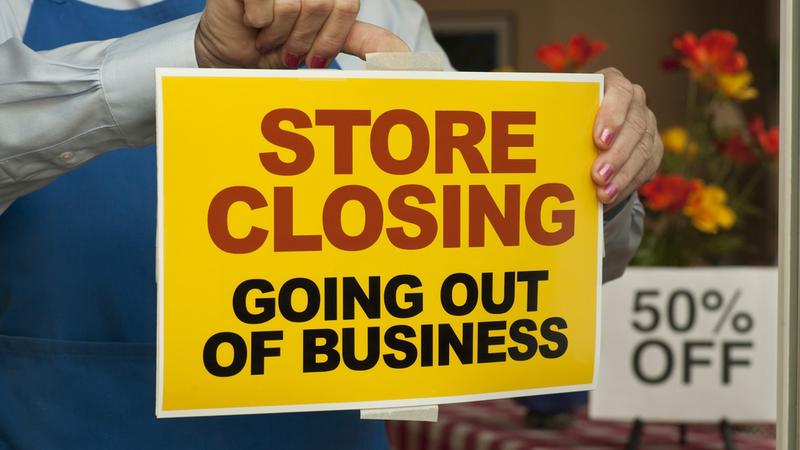
In the U.S., the Department of Justice oversees the distribution of assets. In most cases, the first distributions go to creditors with the just about senior claims who fast collateral on the loans they provided to the business. Unsecured creditors like bondholders and employees are paid side by side. If some cash in hand are left after profitable those debts, shareholders receive the remaining assets.
U.S. Bankruptcy Torah
According to IRS rules in the U.S., a person or entity is bankrupt when their total liabilities are greater than their total assets. At that point, bankruptcy is a valid legal tool governed by Union soldier laws for creating a plan for paying creditors. Bankruptcy laws in the U.S. favor reorganisation of debt more often than European insolvency systems. Chapter 11 bankruptcy allows a concern' management team to keep on with daily operations throughout the reorganization process.

The bankruptcy courts birth to sanction all major business decisions, but this gives the byplay a chance to restructure its debt to reduce payments and potentially recover profitableness. Chapter 7 bankruptcy, however, requires the stage business to halt all operations. The courts appoint a legal guardian to deal the company's assets to pay back the company's debts in this form of bankruptcy.

trading strategy with 1 to 2 risk reward
Source: https://www.askmoney.com/investing/insolvent-trading-claim?utm_content=params%3Ao%3D1465803%26ad%3DdirN%26qo%3DserpIndex
Posted by: martinaliesep1940.blogspot.com
0 Response to "trading strategy with 1 to 2 risk reward"
Post a Comment